Variegated Bear Paws: The Colorful House Plant of the Moment
Variegated Bear Paws is a house plant that has been getting a lot of attention lately. It's known for its unique and colorful leaves that resemble bear paws, hence the name. This plant is becoming increasingly popular among plant enthusiasts because of its striking appearance and low-maintenance care requirements.
The Variegated Bear Paws, also known as Cotyledon tomentosa, is a succulent plant native to South Africa. It belongs to the Crassulaceae family, which includes other popular succulents such as Jade Plants and Echeverias. What makes the Variegated Bear Paws stand out is its leaves' coloration, which varies from green to silver-grey with white spots, creating a beautiful contrast.
This plant's popularity is due to its unique and eye-catching appearance, as well as its easy care requirements, making it an ideal choice for those who want to add some greenery to their home. In this blog post, we'll dive deeper into the Variegated Bear Paws, exploring everything from its care requirements to its aesthetic appeal.
Care Requirements
The Variegated Bear Paws is a low-maintenance plant, making it ideal for beginners or those who don't have much time to care for plants. Here are some care tips to keep your Variegated Bear Paws healthy:
Light
Variegated Bear Paws needs bright, indirect light to thrive. You can place it near a window facing east or west, but be sure to protect it from direct sunlight, especially during the afternoon hours when the sun is at its strongest.
Watering
These plants are drought-tolerant, so they don't need frequent watering. Wait until the soil dries out before watering again. Overwatering can lead to root rot, so be careful not to let the soil become too wet.
Soil
The Variegated Bear Paws prefers well-draining soil. You can use a cactus or succulent mix or add sand or perlite to regular potting soil for better drainage.
Temperature and Humidity
This plant prefers warm temperatures between 60-85°F (15-29°C). It can tolerate low humidity levels but will appreciate some misting during hot and dry weather.
Propagation
Propagating Variegated Bear Paws is relatively easy and can be through stem cuttings or leaf cuttings. Here's how:
Stem Cuttings
- Take a stem cutting from the mother plant using a clean, sharp pair of scissors.
- Allow the cutting to dry out for a day or two before planting it in well-draining soil.
- Water the soil sparingly until you see new growth, which indicates that the cutting has rooted.
Leaf Cuttings
- Gently remove a leaf from the mother plant, making sure to keep the stem intact.
- Allow the leaf to dry out for a day or two before planting it in well-draining soil.
- Water the soil sparingly until you see new growth, which indicates that the leaf has rooted.
Aesthetic Appeal
The Variegated Bear Paws is a unique and beautiful plant that adds a touch of color and texture to any indoor space. Its leaves' variegation creates a stunning visual effect that is hard to ignore. This plant looks great in any type of container, whether it's a terracotta pot or a modern planter.
Another great feature of this plant is its ability to produce small orange-yellow flowers in late winter or early spring. These flowers are a nice addition to the plant's already striking appearance.
Common Problems
Like any plant, Variegated Bear Paws can encounter some problems. Here are a few common issues and how to solve them:
Yellowing Leaves
Yellowing leaves can indicate overwatering or poor drainage. Make sure the soil is well-draining and that you're not watering too frequently.
Drooping Leaves
Drooping leaves can be a sign of underwatering or lack of light. Check the soil's moisture level, and make sure the plant is getting enough bright, indirect light.
Variegated Bear Paws is an excellent choice for those who want to add some color and texture to their indoor space without too much hassle. This low-maintenance plant looks great in any container and is relatively easy to care for. Whether you're a seasoned plant enthusiast or a beginner, the Variegated Bear Paws is a must-have.
Frequently Asked Questions
1. How often should I water my Variegated Bear Paws?
Variegated Bear Paws is a drought-tolerant plant and does not need frequent watering. Water only when the soil is dry to the touch.
2. Does Variegated Bear Paws need direct sunlight?
No, Variegated Bear Paws prefers bright, indirect light and should be protected from direct sunlight, especially during the afternoon hours.
3. Can I propagate Variegated Bear Paws from leaf cuttings?
Yes, you can propagate Variegated Bear Paws from leaf cuttings by planting them in well-draining soil and watering sparingly until new growth appears.
4. What type of soil is best for Variegated Bear Paws?
Variegated Bear Paws prefers well-draining soil. You can use a cactus or succulent mix or add sand or perlite to regular potting soil for better drainage.
5. How often does Variegated Bear Paws flower?
Variegated Bear Paws can produce small orange-yellow flowers in late winter or early spring.
6. What should I do if my Variegated Bear Paws' leaves are yellowing?
Yellowing leaves can indicate overwatering or poor drainage. Make sure the soil is well-draining and that you're not watering too frequently.
7. Can I keep my Variegated Bear Paws outside?
Variegated Bear Paws is a house plant and is not cold-hardy. It should be kept indoors, especially during the colder months.
8. Is Variegated Bear Paws toxic to pets?
Variegated Bear Paws is toxic to pets if ingested and can cause vomiting, diarrhea, and other symptoms. Keep it out of reach of pets and children.
9. How big can Variegated Bear Paws grow?
Variegated Bear Paws can grow up to 12 inches (30 cm) tall and wide.
10. How long does Variegated Bear Paws live?
Variegated Bear Paws can live for several years with proper care.
10 Variegated bear paws Images
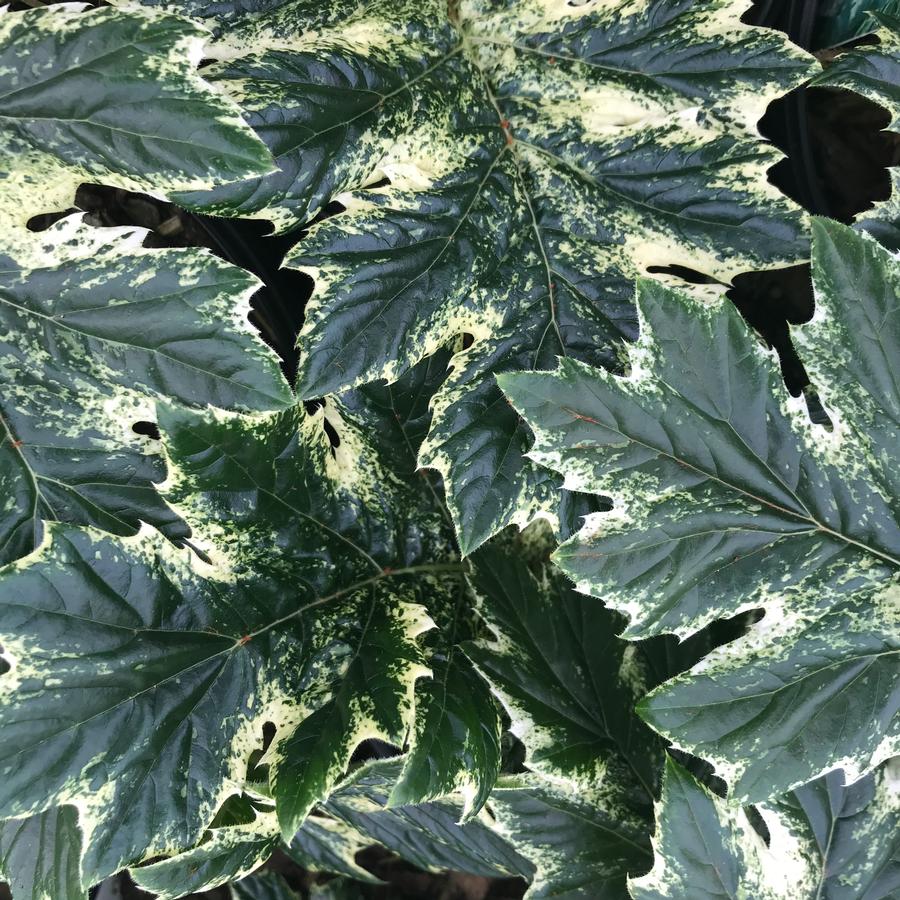
Bears Breeches Plants Variegated Plants Acanthus

Variegated Bear Paw Succulent Plant Gifts Succulents Colorful

50 Best Images About Bears Breeches On Pinterest

Variegated Bears Paw 2 Inch Cotyledon Tomentosa Etsy In 2021

Cotyledon Tomentosa Garras De Oso Suculentas Plantas

Cotyledon Tomentosa Variegata Variegated Bears Paws Plush Rooted

Cotyledon Tomentosa Bear Paws In 2020 Plant Supplies Succulent

Variegated Bear Paw Succulent Succulents Blooming Succulents

Cereus Forbesii Monstrose Syn Cereus Validus F Monstrose Ming

Variegated Bears Breeches A Robust Clump Forming Perennial With Dark
Post a Comment for "Variegated Bear Paws: The Colorful House Plant of the Moment"